
Updated on 26 October, 2026
Business angels, also known as angel investors, are individuals who invest their own money in early-stage startups. Besides providing funding, they may also share their business experience, industry knowledge, and professional connections to help startups grow.
Unlike traditional lenders, angel investors typically receive equity in exchange for their investment. This means they can benefit financially if the startup grows successfully, although their investment also carries a significant risk of loss.
For startups that are still developing their products, building customer bases, or entering new markets, angel investors can provide valuable early-stage support.
Early-stage startups often face challenges securing funding because they may not yet have a proven business model, consistent revenue, or sufficient assets. Angel investors can help bridge this funding gap while allowing founders to focus on developing their businesses.
Beyond financial support, angel investors may contribute in several ways:
The level of involvement varies by investor. Some take an active mentoring role, while others focus primarily on providing capital.
Angel investment networks connect startups seeking funding with investors interested in early-stage opportunities. These networks can help streamline the investment process by identifying promising businesses, facilitating introductions, and supporting investment evaluation.
A typical process may include:
The exact process depends on the network. A structured network can make it easier for founders to reach relevant investors and for investors to evaluate opportunities.
Malaysia's startup ecosystem includes investors, venture capital firms, accelerators, and other organisations that support businesses at different stages of growth. For early-stage founders, finding investors who understand their industry and business model can be an important step towards securing funding.
One option is the NEXEA Angel Investor Network, which connects startups with angel investors and provides a structured approach to investment opportunities.
NEXEA operates an angel investment network in Malaysia and Southeast Asia. The network helps connect startups with investors and supports the investment process through activities such as deal sourcing, due diligence, and investment management.
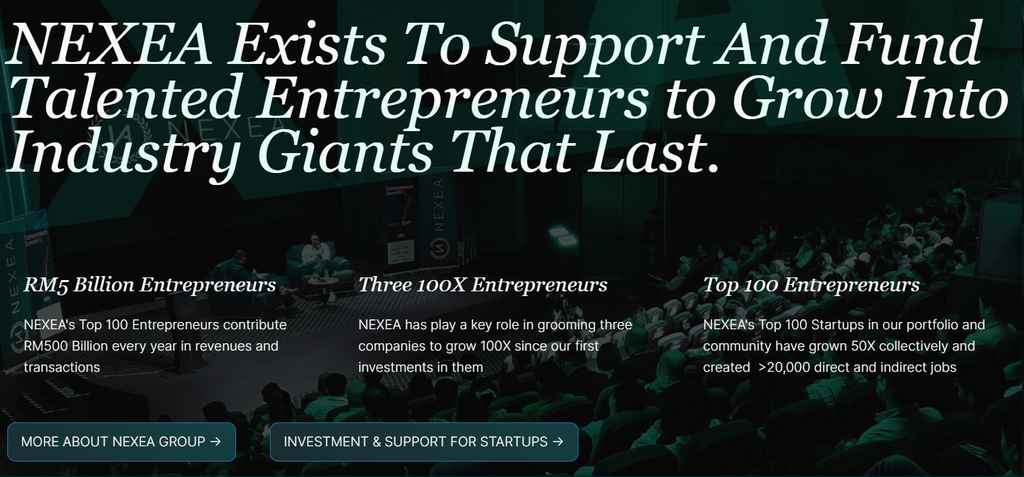
According to NEXEA's website, its angel investor network is designed for individuals who want to invest in startups while gaining access to investment opportunities and support throughout the process.
NEXEA also provides information for prospective investors about eligibility, investment expectations, and how to get involved.
Learn more: NEXEA Angel Investor Network
NEXEA's approach brings together startup opportunities and investors through a managed investment network. This can help founders reach investors who are actively looking for potential businesses to support.
For investors, a structured network can provide access to startup deal flow and support during the evaluation process. Depending on the opportunity, investors may also be able to benefit from the expertise and connections of other members of the startup ecosystem.
Startups can explore NEXEA's investment-related resources to better understand the funding landscape and determine whether their businesses are suitable for external investment.
Additional resources:
Finding an angel investor is not simply about securing funding. Founders should look for investors whose expertise, interests, and expectations align with the company's long-term goals.
Consider the following factors when evaluating potential investors:
1. Industry experience
Investors with relevant industry knowledge may provide practical advice and useful connections. Their experience can be particularly valuable when a startup is navigating an unfamiliar market.
2. Investment stage and size
Different investors focus on different startup stages and funding requirements. Founders should identify investors whose investment preferences match their current needs.
3. Level of involvement
Some investors actively participate in mentoring and strategic discussions, while others prefer a less hands-on role. Understanding these expectations early can help establish a productive relationship.
4. Network and connections
An investor's professional network may help a startup access potential customers, business partners, experienced advisors, and future funding opportunities.
5. Investment terms
Founders should carefully review valuation, equity dilution, decision-making rights, and other investment terms before accepting funding. Professional advice may be helpful when negotiating an agreement.
Before approaching an angel investment network, founders should prepare a clear explanation of their business and why it represents an attractive investment opportunity.
A strong pitch deck typically covers:
Founders should also ensure that their financial records, business documents, and key performance indicators are organised and ready for review. Clear and realistic information helps investors assess the opportunity more effectively.
Angel investing can offer opportunities to participate in the growth of early-stage companies, but it also involves substantial risk. Startups may fail to achieve their targets, require additional funding, or take longer than expected to generate returns.

Before investing, individuals should consider their financial capacity, risk tolerance, investment horizon, and ability to diversify across multiple investments. They should also conduct independent due diligence rather than relying solely on a startup's presentation or an investment network's initial screening.
Prospective investors can explore NEXEA's official resources to understand its network, investor expectations, and available investment opportunities.
Business angels can play an important role in Malaysia's startup ecosystem by providing early-stage funding, business guidance, and valuable connections. Angel investment networks can help bring founders and investors together through a more structured process.
For startups, the key is to prepare a compelling investment case and identify investors who align with their business goals. For prospective investors, understanding the risks and evaluating each opportunity carefully are essential parts of the investment process.
NEXEA provides resources for startups and investors interested in angel investment and venture capital. Exploring its network and investment resources can be a useful starting point for understanding the opportunities available in Malaysia's startup ecosystem.